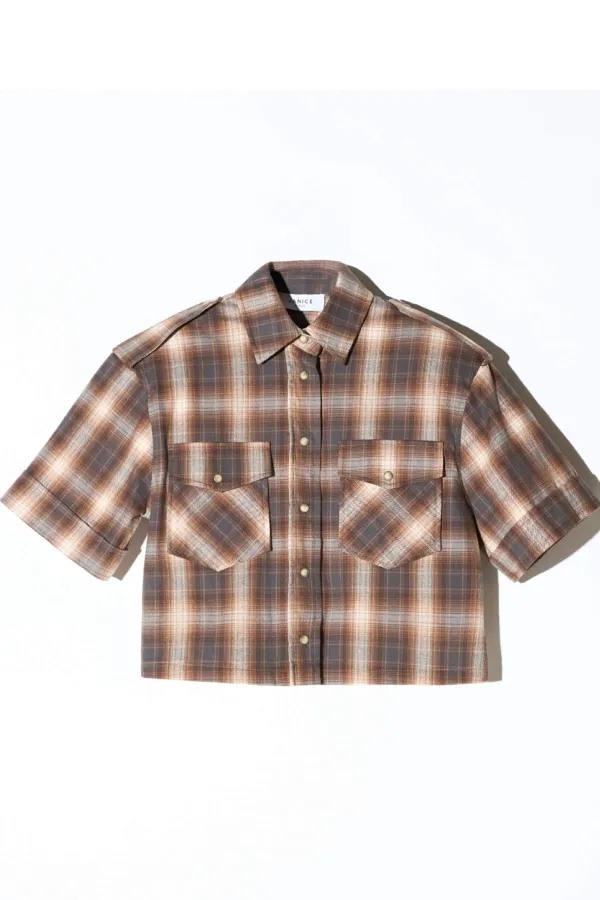
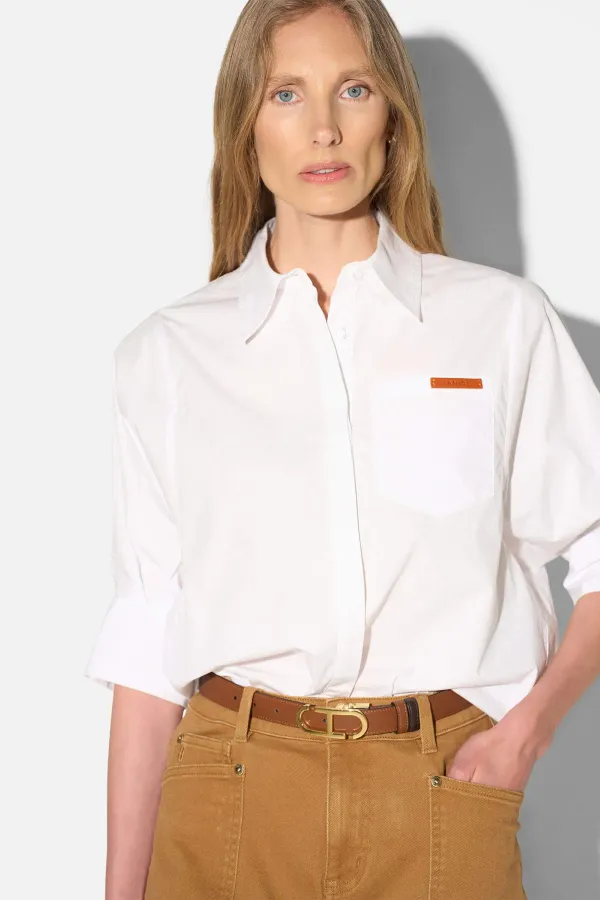
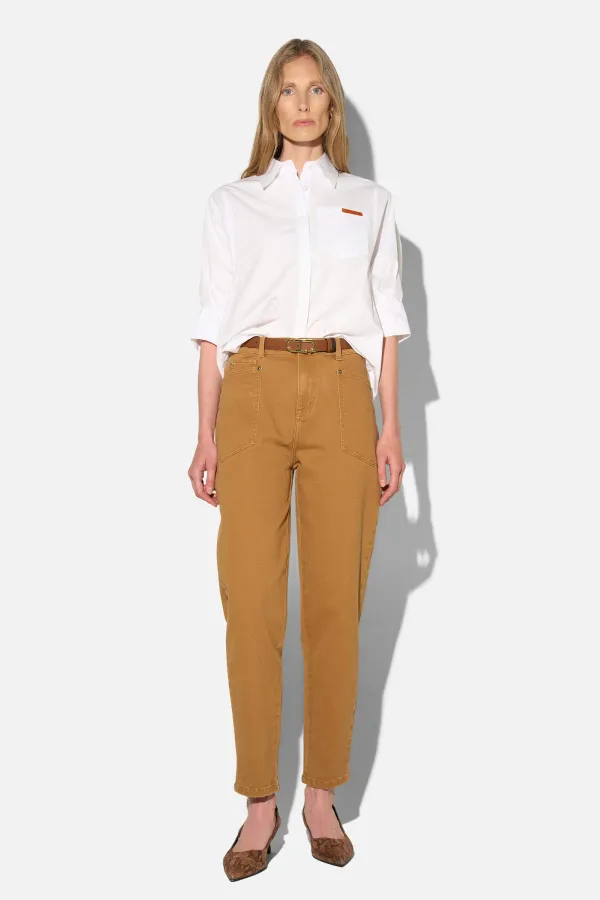
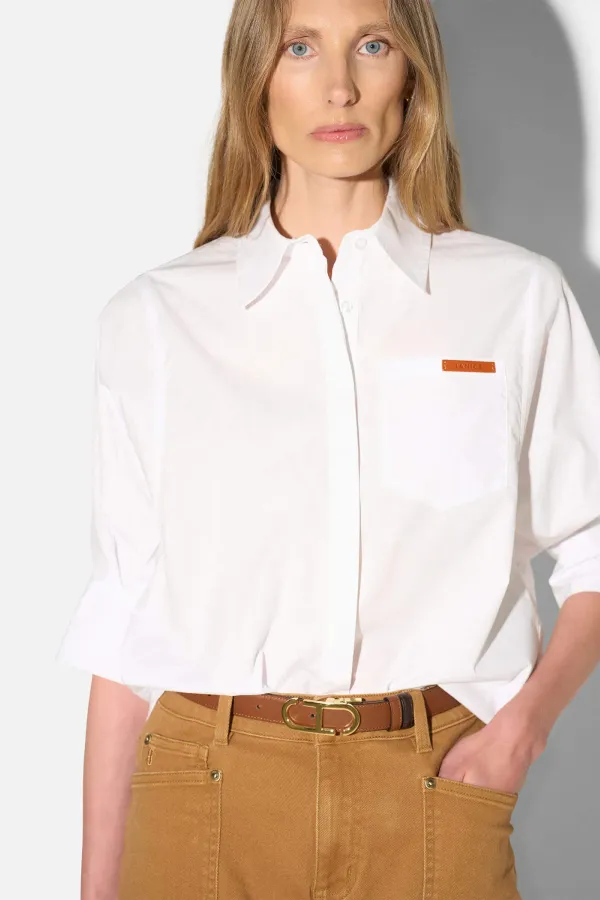
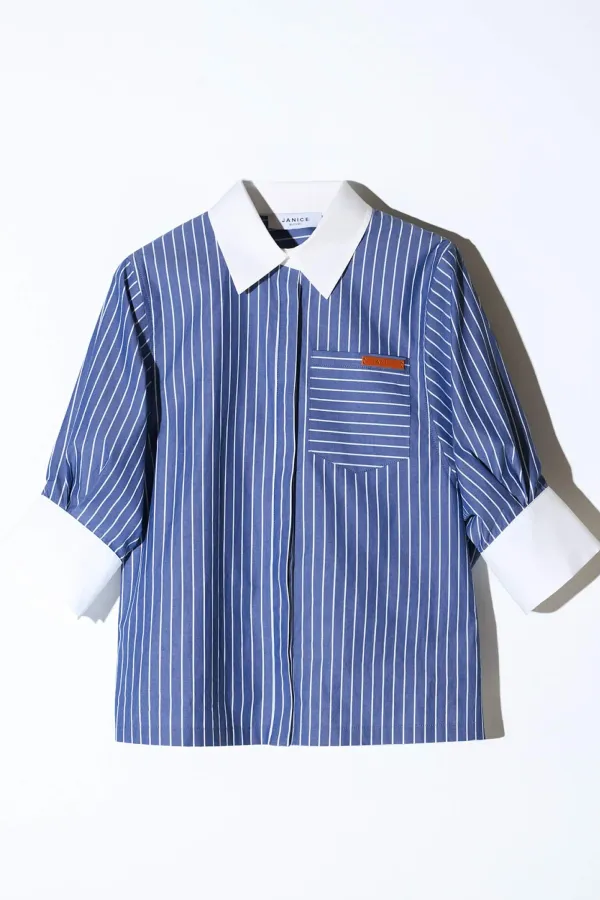
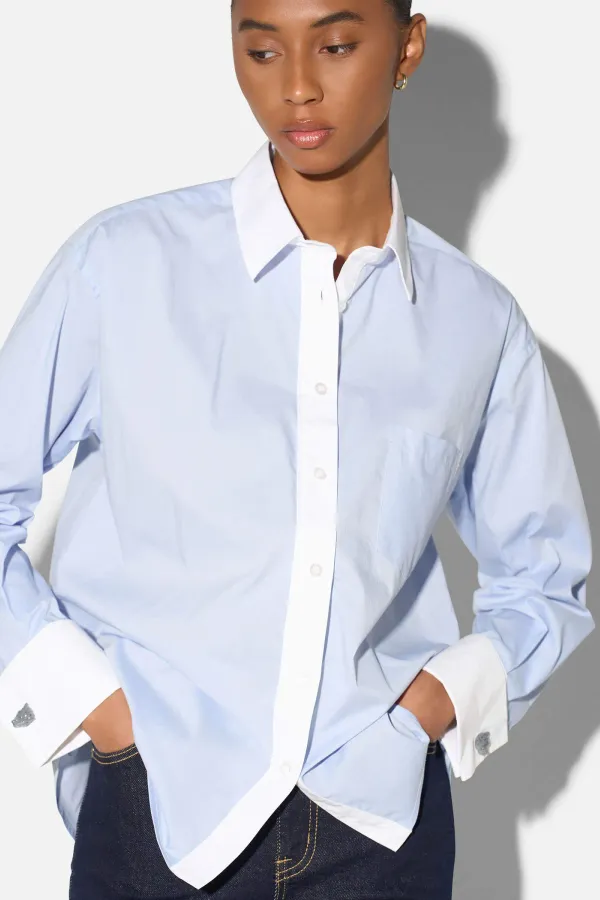
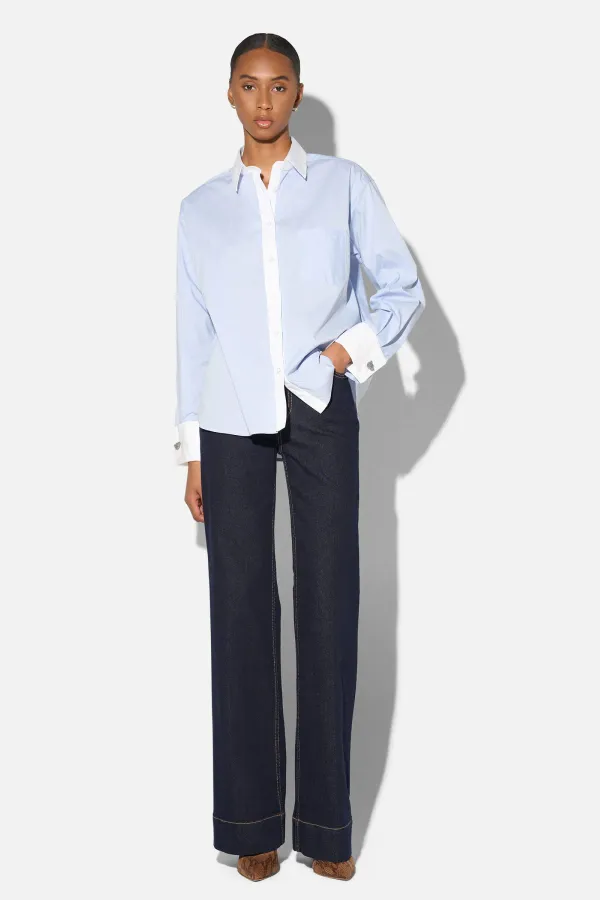
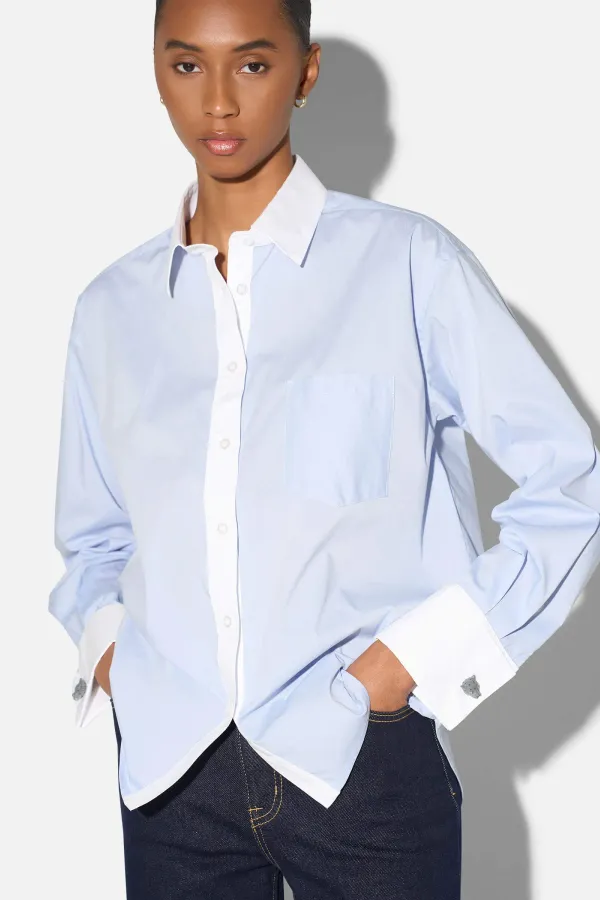
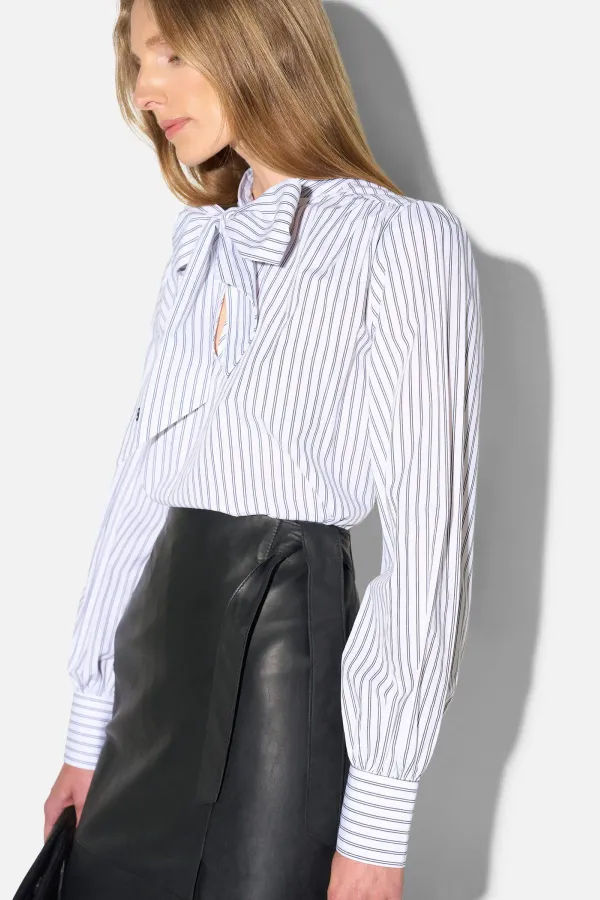
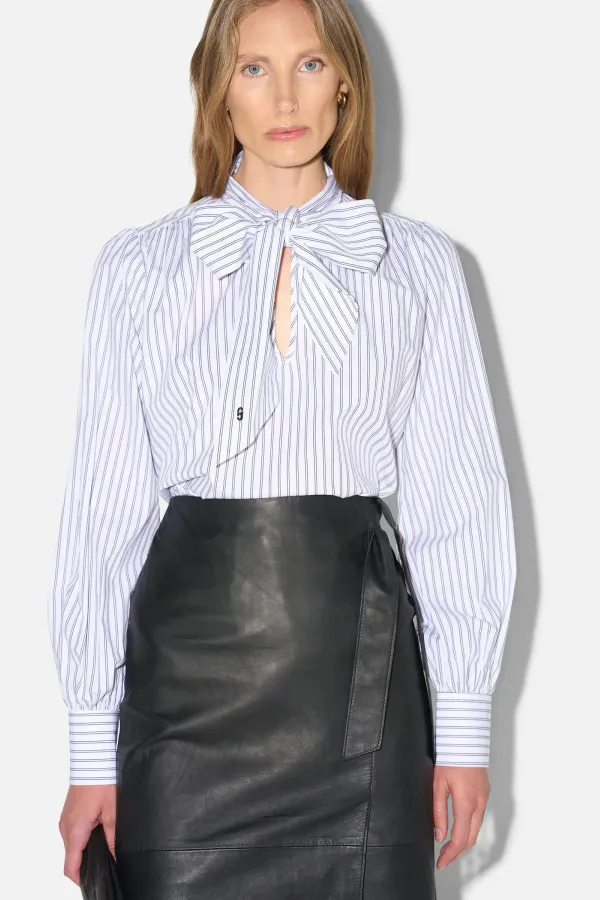
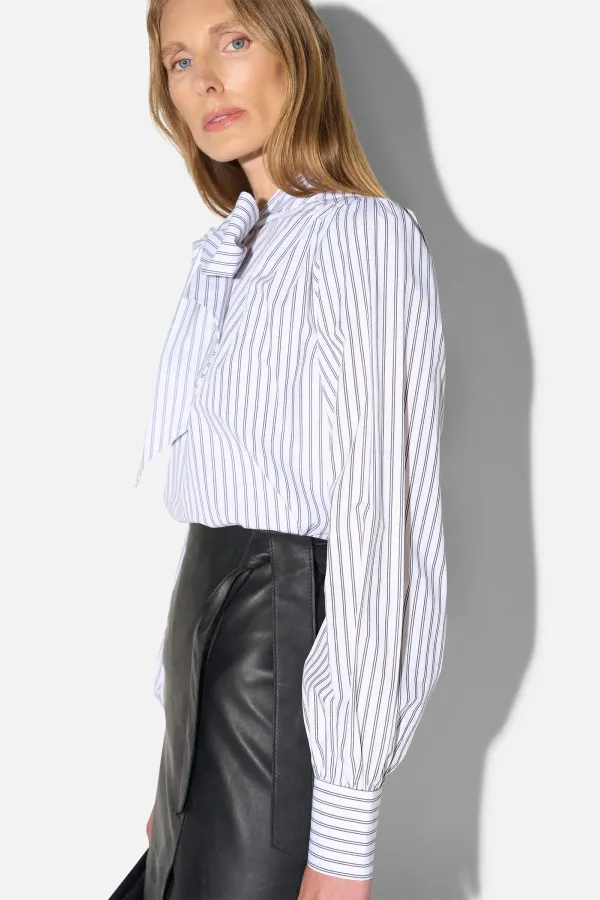
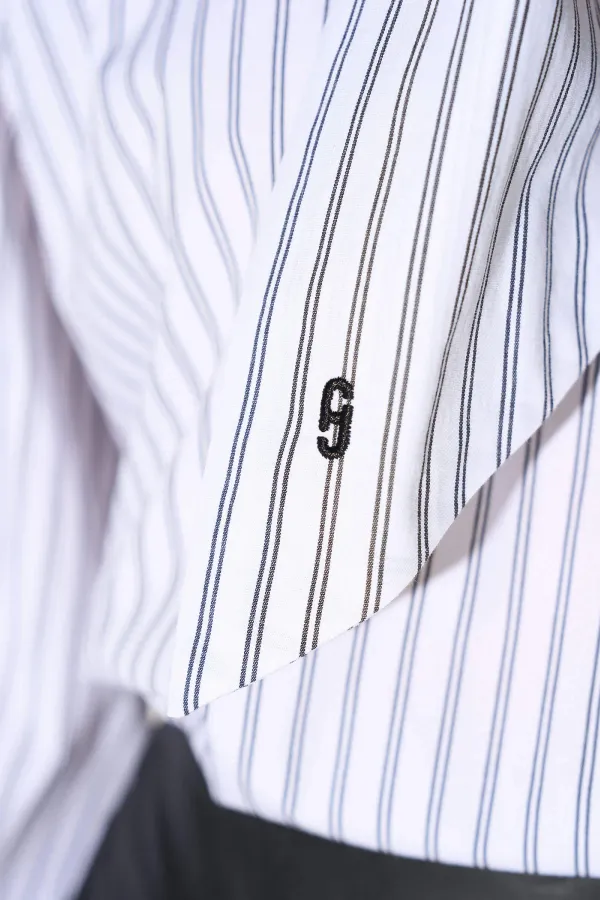
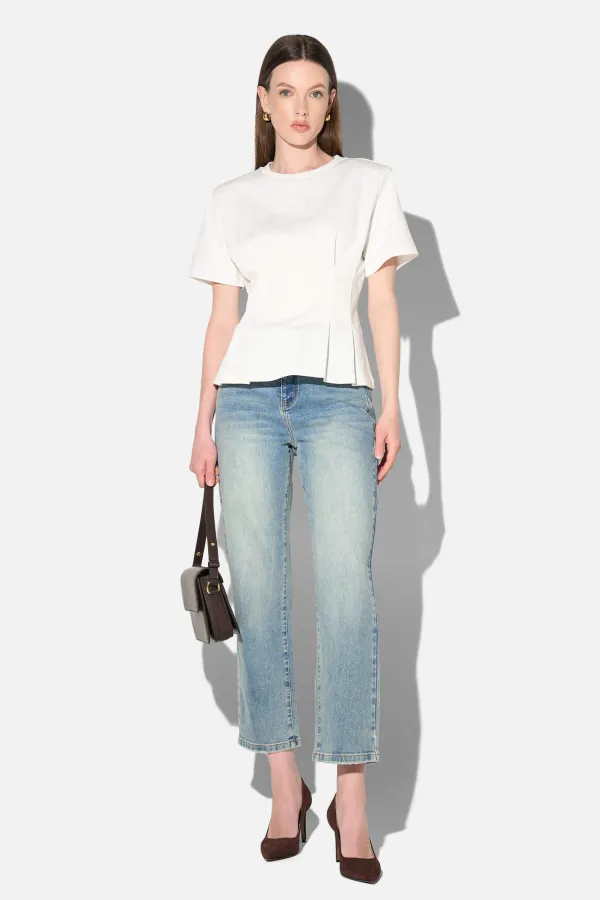
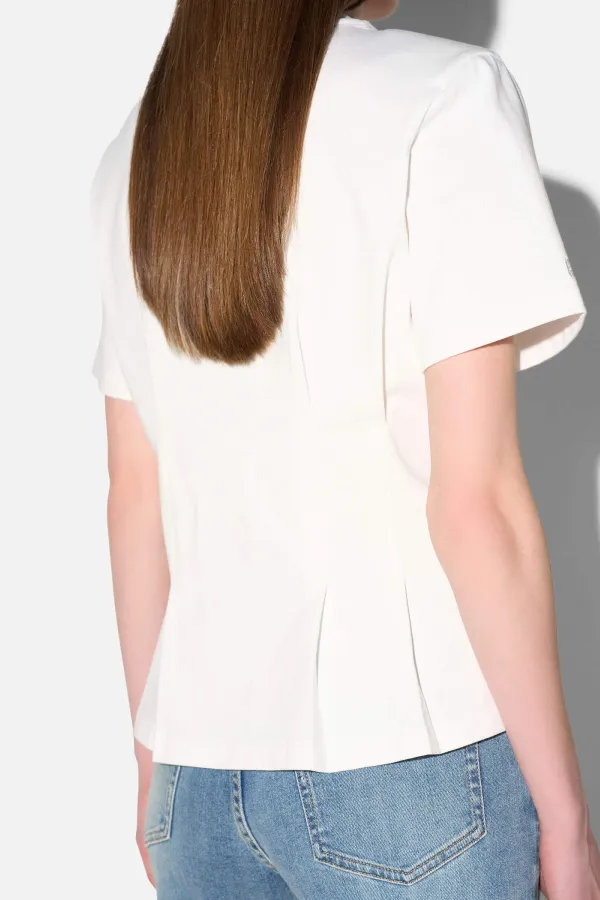
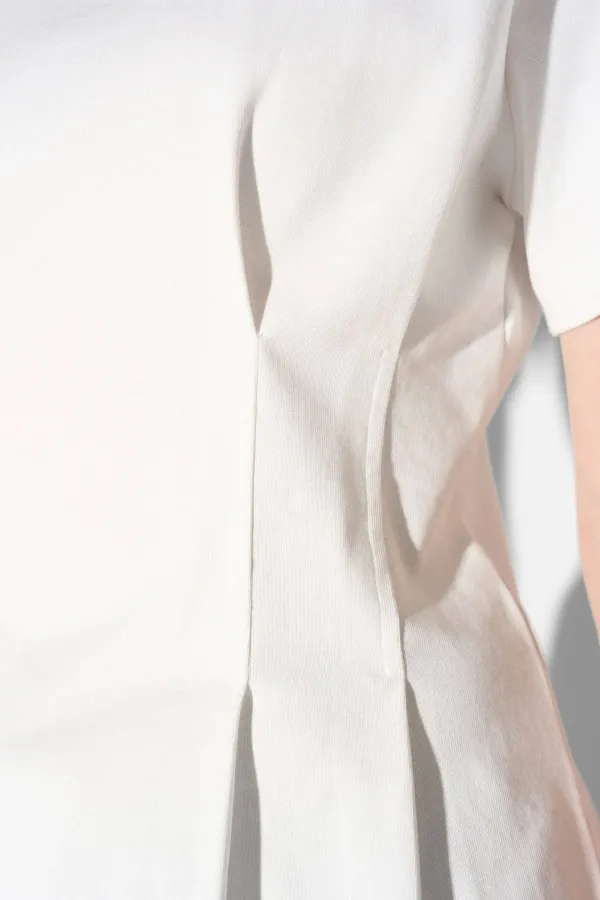
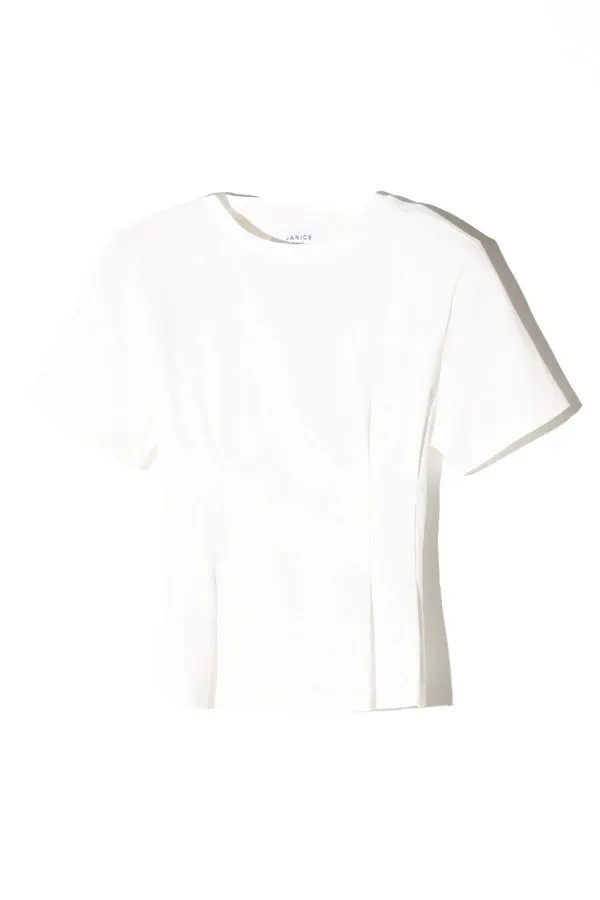
Cotton
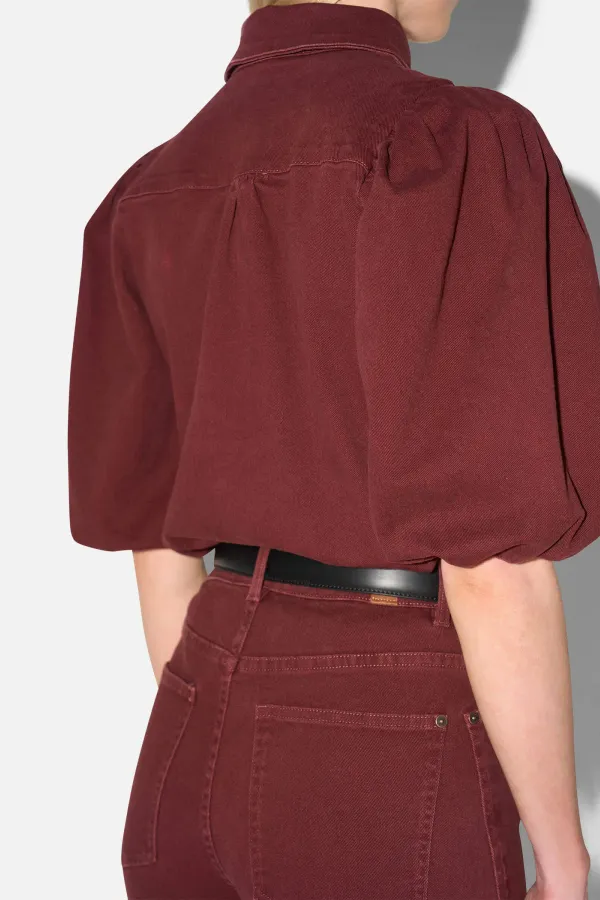
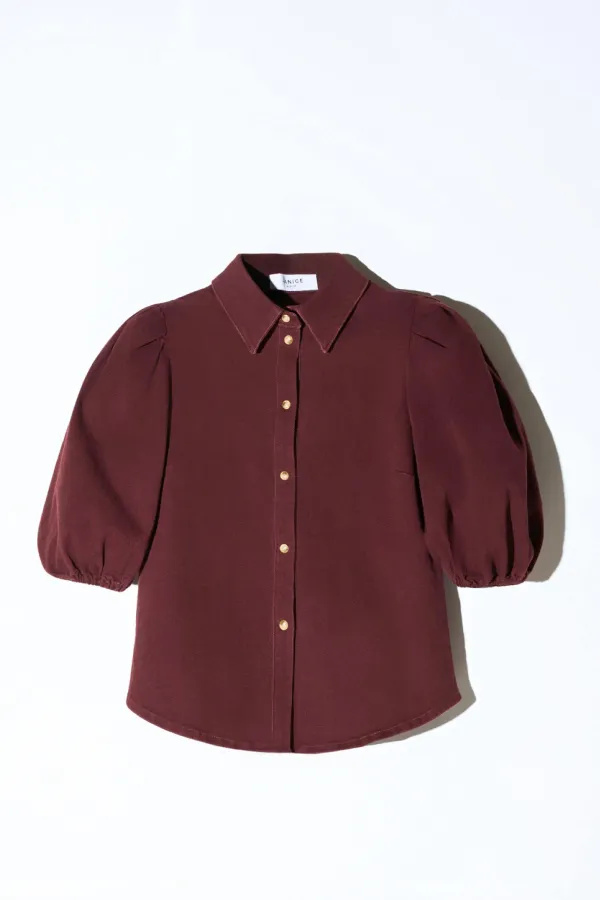
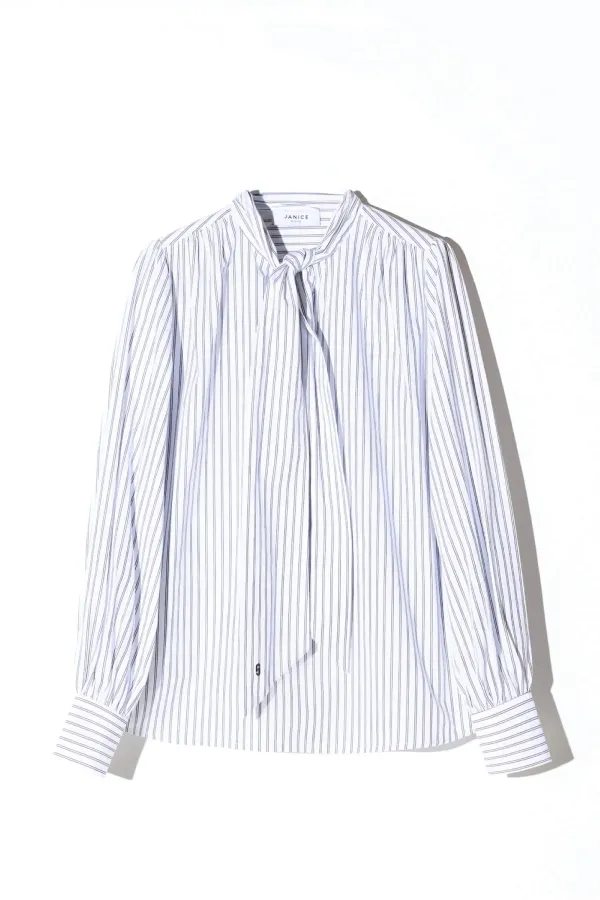
Russ Blouse
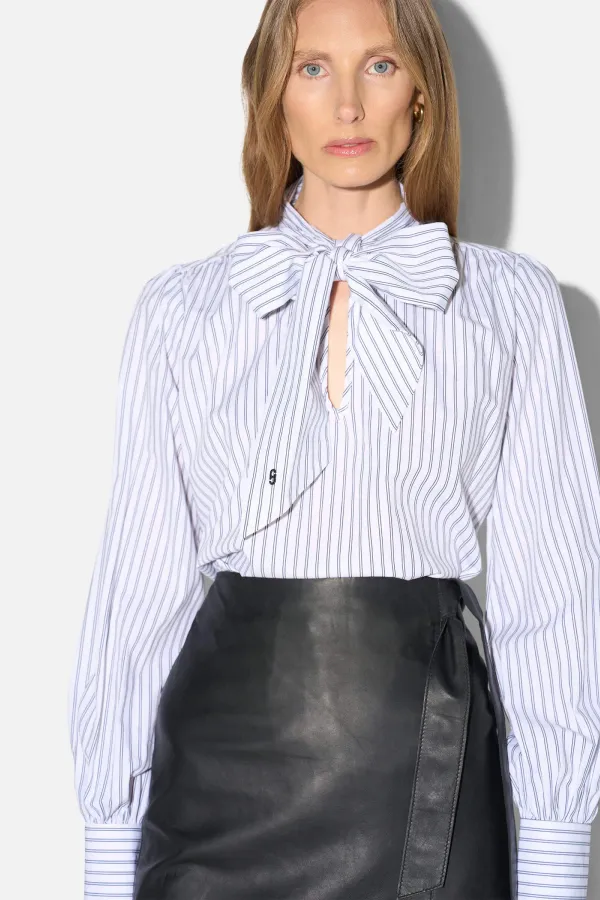
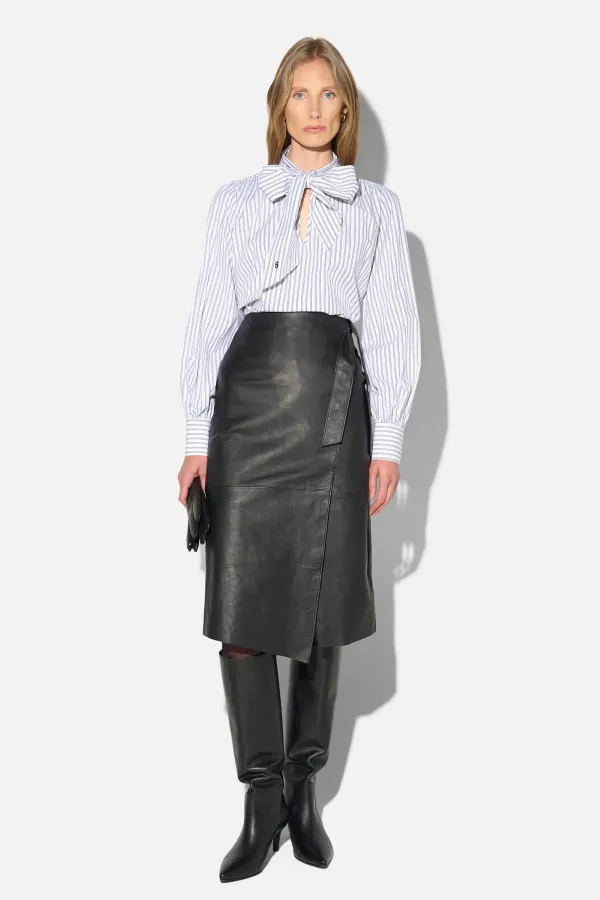
katoenRix Blouse
katoenRix Blouse
katoenRix Blouse
katoenRix Blouse
katoenPhil Blouse
katoenPhil Blouse
katoenLars Blouse
katoenCotton Clothing
Cotton is a wonderful material. Janice’s cotton clothing is soft, doesn’t itch, and stays looking great for a long time. But did you know that there are different types of cotton? So before you buy a nice cotton garment, it’s a good idea to learn more about cotton as a material. Here, JANICE tells you all about the material that, alongside wool, is the most widely used in the textile industry.
What is cotton?
Cotton is the seed fluff of the cotton plant. The fruit of the cotton plant bursts open when ripe. This reveals a tuft of cotton: the seed fluff. The cotton fibers are two to five centimeters long and are spun into yarn. Various cotton plants are used for cotton production. The hairy cotton (Gossypium hirsutum) accounts for 90 percent of global production.
What is cotton used for?
Cotton is used for clothing, bedding, lingerie, and home accessories. There are several reasons for this versatile and widespread use. Cotton is a flat, twisted fiber, which gives it little sheen. This also makes it fairly rough to the touch. The fibers hold together well in a yarn. As a result, it is also a fairly strong material. Cotton is therefore sturdy and durable. That is why Janice also makes cotton clothing.
In addition, it is a natural material that feels pleasant against the skin. It also breathes well and is highly moisture-absorbent and breathable. In the summer, cotton clothing is airy and provides pleasant cooling. In the winter, cotton doesn’t feel cold and keeps you feeling cozy. So cotton stands for optimal comfort and is therefore so widely used in the clothing industry.
Cotton has not only become popular because of its properties and new production methods. Cotton was also a popular product in trade. This is because cotton loses only 10 percent of its raw weight during processing, which also makes it a sought-after commodity.
How long have we been using cotton?
In Central America, cotton was already known as early as 5800 BC. In China, it appeared somewhat later, starting around 3000 BC. However, cotton products did not reach Europe until 800 AD. Cotton processing began to take off in the 14th century, particularly in southern Germany. Augsburg led the way in industrial mass production until the 17th century, after which the Flemish and English cotton industries took the lead. Thanks to a number of inventions, such as the spinning machine in 1764 and the mechanical loom in 1784, production volumes could be significantly increased.
Despite competition from numerous synthetic fibers, cotton currently accounts for approximately 44% of total textile fiber consumption. From 1970 to the present, global raw cotton production has nearly doubled, although the area of arable land has increased only slightly. The enormous growth in production is due to increased yields per acre.
Caring for Cotton
Cotton is an easy-to-care-for material. It can simply be put in the washing machine, and you can even wash it at fairly high temperatures—up to 60 degrees. Always follow the care instructions provided. Do this only when truly necessary, as high temperatures can be quite harmful to the environment. Cotton garments can also be put in the dryer if the care label permits it. All great features.
But does cotton really have no downsides? It’s good to know that cotton may shrink slightly the first time it’s washed. This is because the fibers are tightly woven during production. When you add water—and especially heat—the fibers loosen up a bit, causing the fabric to shrink slightly. But don’t worry; this shrinkage is often factored in. The sizes are cut extra roomy, so your Janice cotton clothing will still fit well after washing and any shrinkage. Keep this in mind and wash it at a low temperature the first time. Also, don’t put your item in the dryer right away—just let it air dry. We prefer the drying rack anyway.
Any other downsides? Well, just one. You have to iron cotton. It does depend on the type of cotton you have; some types really need ironing, while others aren’t too bad. How much the fabric wrinkles depends on how the cotton is woven and whether it can stretch a bit. And also how you treat it yourself. Hang it up after washing, fold it neatly and tightly, and some of the ironing won’t be necessary at all. We’ll also tell you a bit about ironing when we discuss the different types of cotton.
The different types of cotton
You might think, cotton is cotton. But just like with wool, there are many different types of cotton. With wool, the differences mainly lie in the origin (which animal the wool comes from), and to some extent in the processing method. With cotton, it mainly depends on the production method and how the cotton threads are woven. As a result, cotton varies in quality, softness, and properties. So the difference lies in the weaving.
How a fabric feels is determined by the warp and weft used. These terms from the weaving industry refer to the lengthwise threads (the warp) and the crosswise threads (the weft) on a loom. Together, this is called the weave. In addition to the weave (the way the threads are woven), the thread count (the number of threads per square inch) and the thickness of the yarn also play a role. This combination determines the final product and its corresponding properties. Now that you know why one cotton is not the same as another, we’d like to tell you about the different types of cotton.
Cotton Satin
Cotton sateen clothing is synonymous with luxury and comfort. Cotton sateen is made from very fine cotton yarn. This makes it feel incredibly silky-soft and smooth. You can imagine how wonderfully a cotton sateen duvet cover feels to sleep under. It also looks very luxurious. This is due to the special sateen weave, which gives the fabric a subtle sheen.
Chenille cotton
Chenille cotton is cotton that has been twisted in a special way. The threads are thicker than those of regular cotton.
Brushed cotton
This is brushed cotton. After weaving, the throws and baby blankets are brushed to remove any unevenness. Brushing also makes the throws and blankets extra soft and supple.
Twill cotton
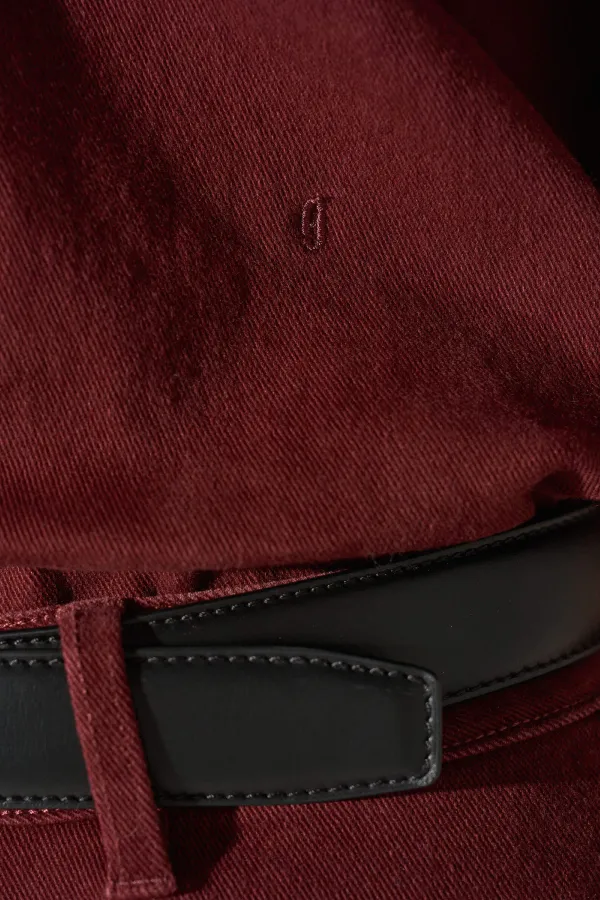
Twill is a specific weaving technique. If you look closely, you’ll see that the fabric has a diagonal pattern instead of straight lines. Clothing made from twill-woven cotton feels softer than regular cotton. Furthermore, the fabric wrinkles less easily, making it particularly low-maintenance. So no ironing—which is great. And thanks to the soft material, it’s naturally very comfortable to wear.
Jersey cotton
Jersey is also wonderfully soft. With jersey, the fabric isn’t woven but knitted. This can be done with wool, but also with cotton threads. The knitting is done using a specific technique that involves alternating knit and purl stitches, creating small loops. These loops, which you can only see if you look very closely, give the fabric its suppleness and elasticity.
Flannel cotton
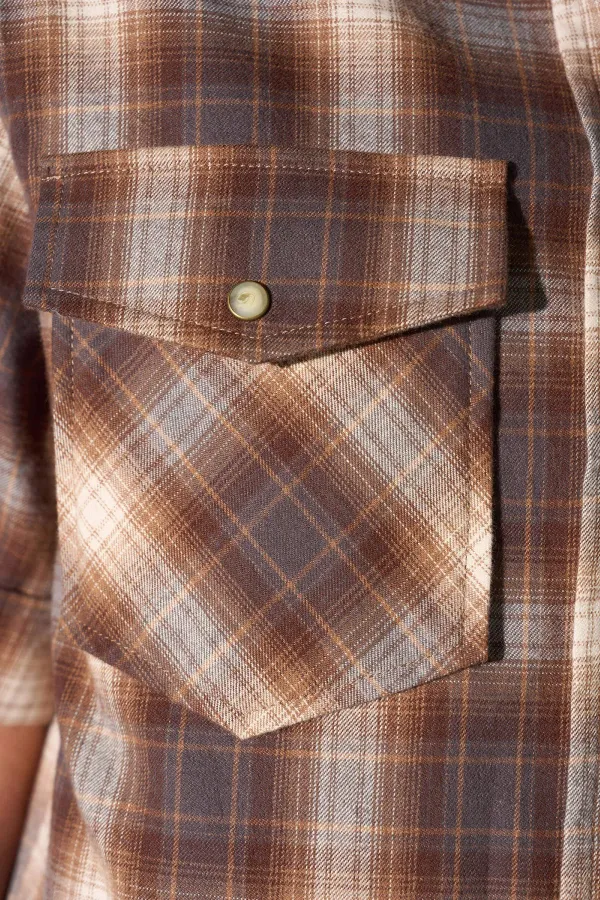
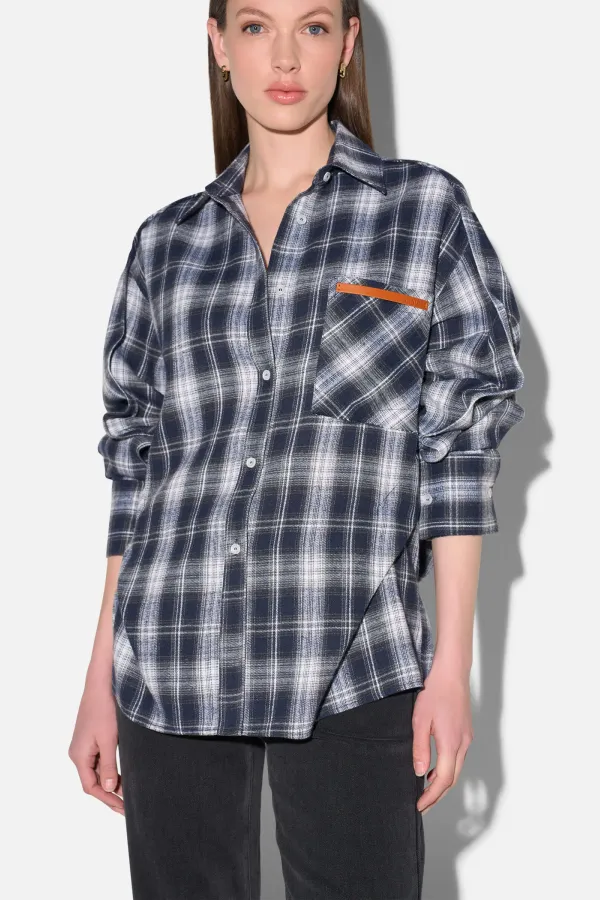
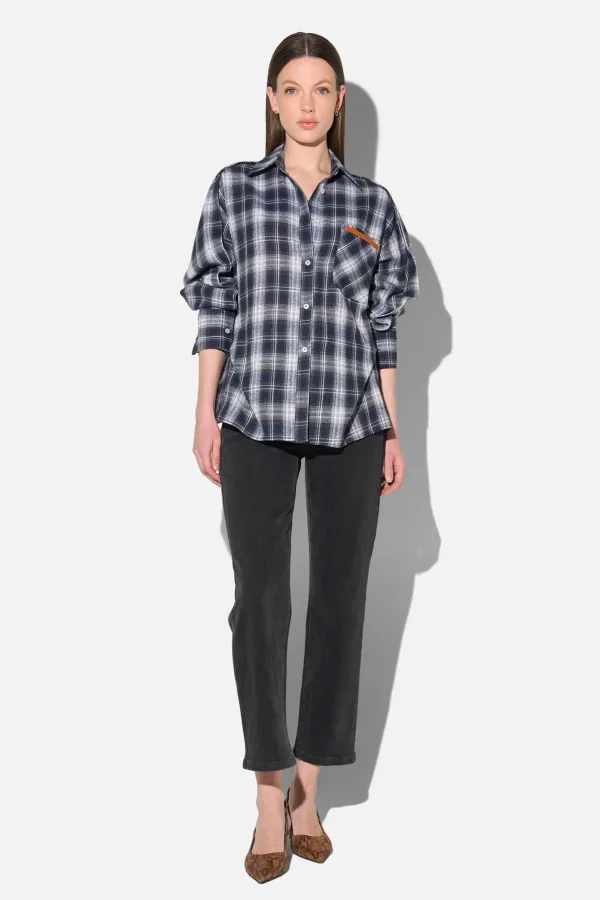
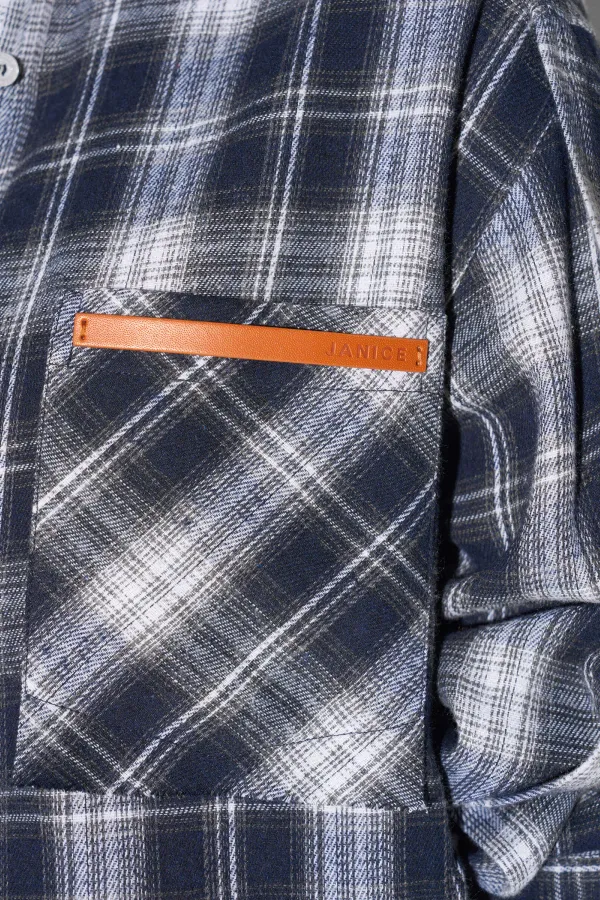
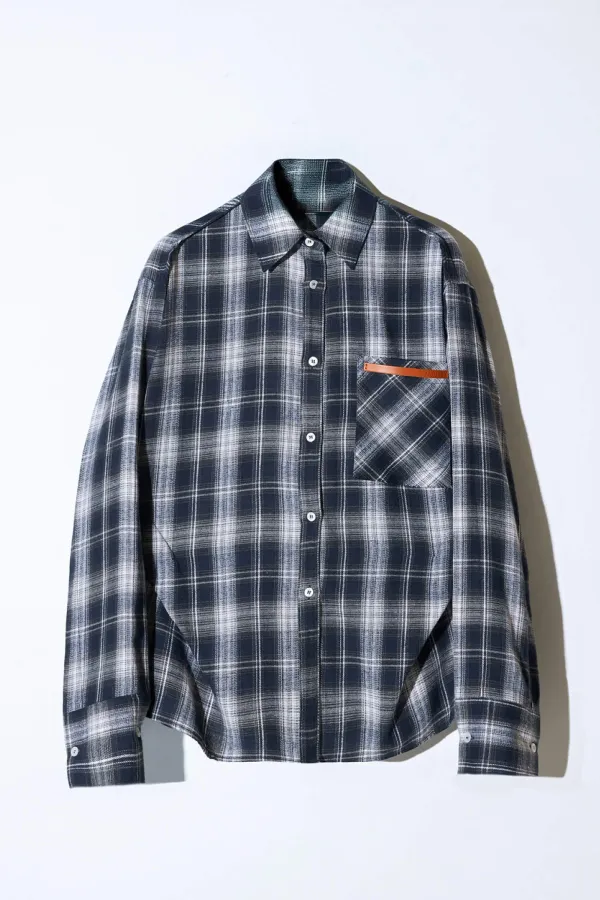
Do you remember the flannel pajamas from back in the day? Oh, how wonderfully soft they were. And nice and warm. Flannel cotton is made after the weaving process. The fabric is lightly roughened. That’s what gives it that soft effect. So it’s a bit like brushed cotton, which is brushed. Flannel keeps you wonderfully warm because it absorbs your body heat and retains it. This makes flannel a great choice for winter wear.
Percale cotton
Percale cotton is made using finer yarn and a higher thread count. This makes it a luxurious type of cotton. It always feels fresh, just as if you’ve just washed your blouse. It’s also high-quality, thanks to the use of more threads during weaving. This means your percale cotton garments will last even longer.
Renforcé cotton
The French word “renforcé” means “reinforced.” This smooth and cool fabric is woven using a technique called plain weave. This special weaving technique makes the fabric even stronger and sturdier than regular cotton. As a result, clothing made from renforcé cotton stays looking great for an extra-long time.
Chambray woven cotton
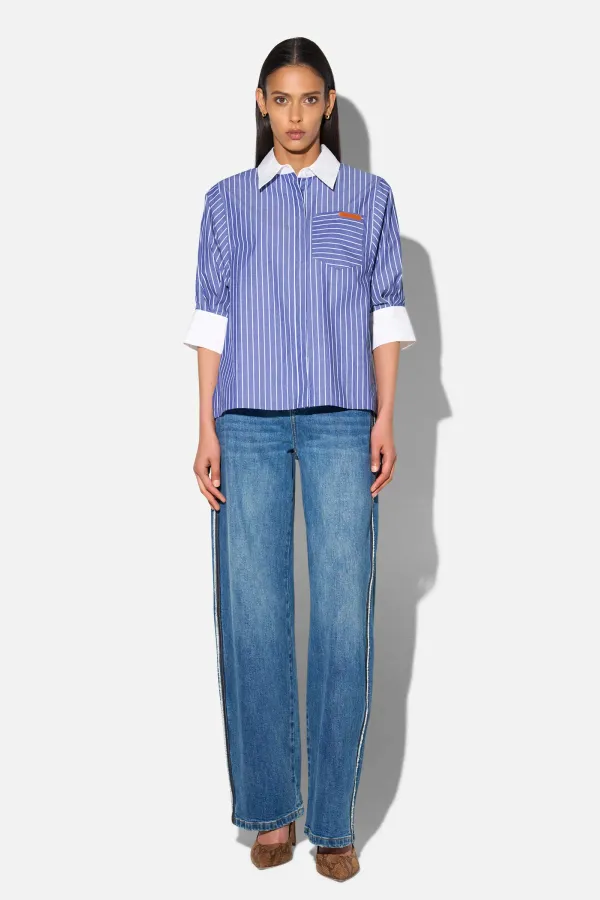
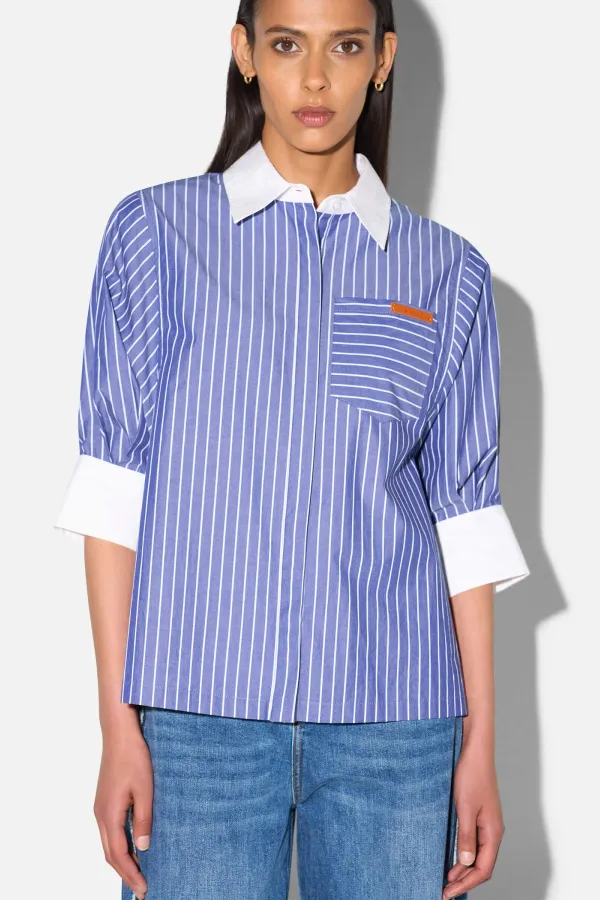
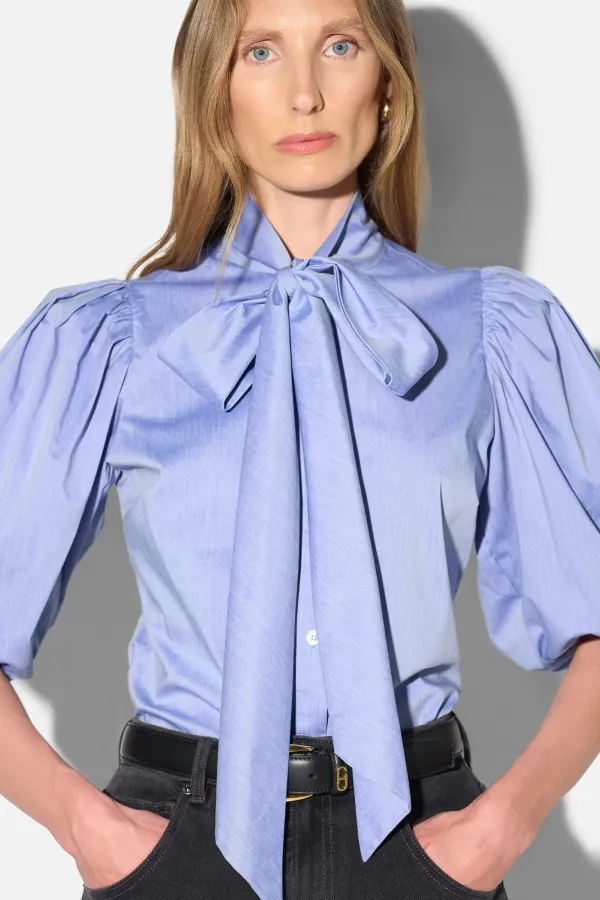
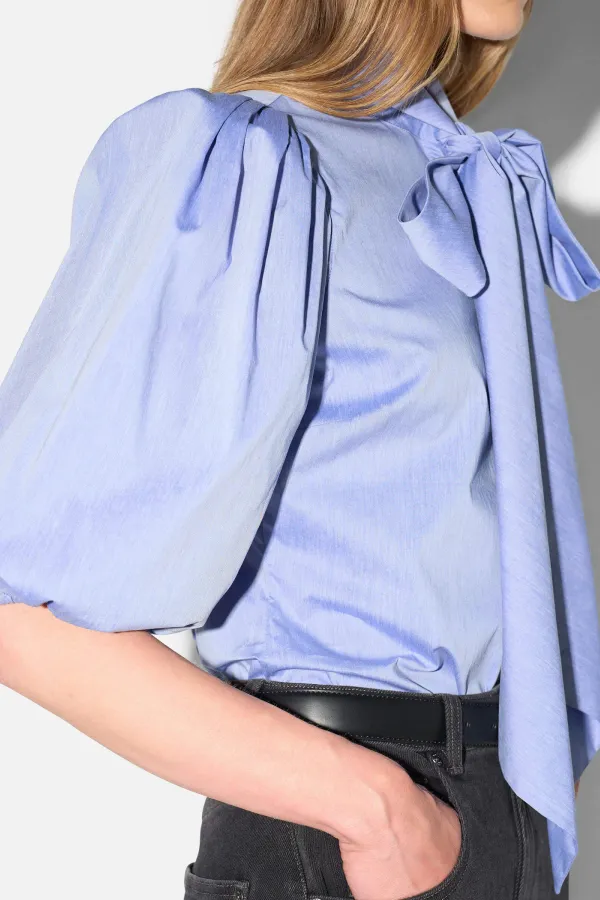
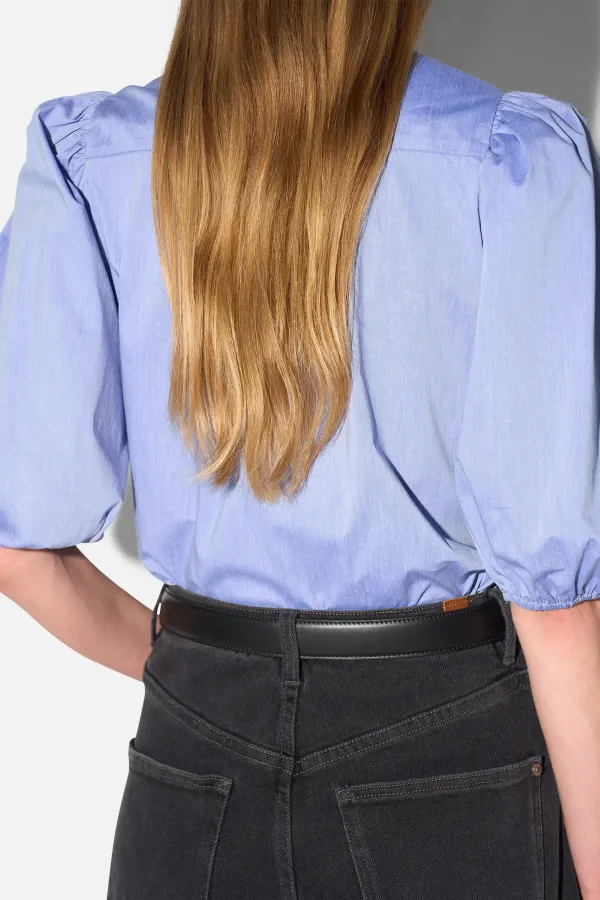
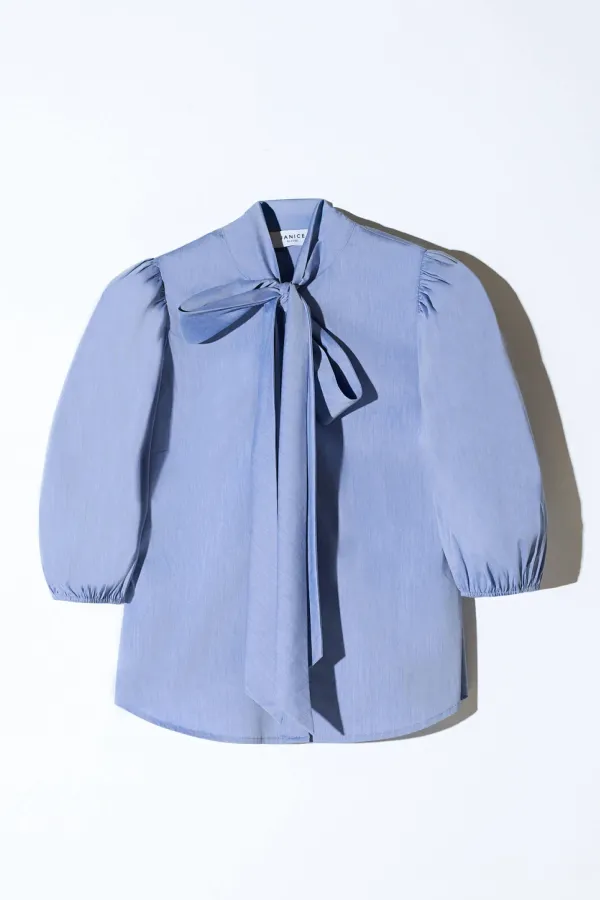
Chambray is a lightweight cotton fabric woven in plain weave. Because it uses different colored threads, the fabric has a rugged, mottled look that’s somewhat reminiscent of denim. This thin and airy material is perfect for summer.
Egyptian cotton
Cotton is produced in many countries. But consumers often talk about Egyptian cotton. The very best cotton is said to come from Egypt. Is that really the case? Partly, because Egyptian cotton doesn’t have to come from Egypt. The term refers more to the type of fibers than to the origin. Egyptian cotton uses extra-long and thin cotton fibers. The advantage of this is that the threads are thinner, allowing more threads to be spun. The result is a higher thread count (sometimes as high as 800!) and an exceptionally soft cotton fabric of extremely high quality.
Janice uses different types of cotton in his collection for his cotton clothing. This mainly depends on the season for which he needs it.
The 5 benefits of cotton at a glance
1. Strong and durable
Cotton fibers are naturally strong, which means that a cotton garment doesn’t wear out easily and offers a long-lasting guarantee of quality.
2. Warm in winter and cool in summer
Cotton fibers are essentially thin hollow tubes that are excellent heat conductors. These tubes can also fill with moisture. Sweat droplets are therefore easily absorbed. Cotton can absorb up to 20% of its own weight in moisture before it actually feels damp.
3. Easy care
Cotton requires no special care and can be washed in very hot water (95°C) (note: this does not apply to colored cotton). The fabric irons easily and can withstand a hot iron. However, we always recommend ironing the fabric on the reverse side.
4. Color options
Cotton is a fabric that is very easy to dye. Dyeing can be done in two ways: by dyeing or printing. In dyeing, the knitted fabric is placed in a dye bath to allow the color to penetrate. In printing, one or more color motifs are printed onto the (un)dyed cotton.
5. Various finishing options
Finishing, as the term suggests, is the final step in the production process. Cotton can be finished in a hundred and one ways. Thanks to all kinds of modern processes, cotton can be made, for example, shrink-resistant, colorfast, stain-resistant, water-repellent, and wrinkle-free. Janice’s cotton clothing has a different finish every season, depending on the season and current trends.
Modern techniques also make it possible to blend cotton with all kinds of other natural or synthetic fibers, creating entirely new fabrics that further improve comfort or provide a special color effect. Blending cotton with spandex, for example, makes the fabric super-elastic and shape-retaining. The number of possible blends of different fibers is almost endless.
Are you looking for cotton clothing? Then shop for your new cotton clothes at janiceofficial.com